After more than three years of waiting and hoping, the sale of Guiding Star happened very quickly. Seb viewed the boat on a Friday, made an offer on Saturday, paid on Tuesday and drove her away on Wednesday.
Seb is the ideal new owner for a hundred-year-old lugger, someone who knows traditional boats well and has plenty of friends in Cornwall to help him sail and maintain her. He has already taken Guiding Star to a wonderful ‘Boats on the Beach’ event at Newlyn and the classic Douarnenez Temps Fête which I’ve enjoyed so much in the past.
It was time. I had known for a while that Guiding Star would be too much for me as I grew older but felt I’d be lost without her. However, one day walking through the boatyard, I had an idea: I could ask Chris Rees to build a new, smaller boat to take her place. Then I could bear to part with Guiding Star. I took the plunge and put her on the market in September 2022.
I never thought the old boat would take so long to sell. 2023 went by and half of 2024. The new gaff ketch launched and I found myself responsible for two wooden boats. I knew this was trouble when my new insurance documents arrived headed ‘Fleet Insurance Policy’.
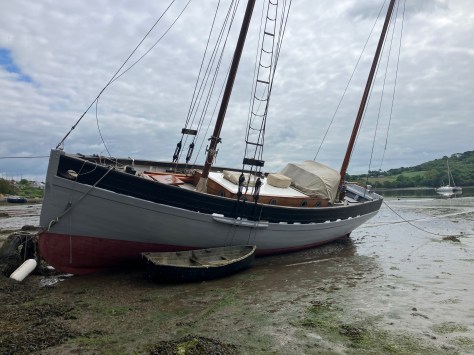
So after the heartaches of several near-sales and the sadness of seeing Guiding Star lying on the beach at Millbrook not being sailed, I admit I felt relief in February 2026 when Seb took her away to a new life. You know that irritating joke about the two best days in a boat owner’s life, the day you buy and the day you sell? I’m afraid there’s some truth in it.
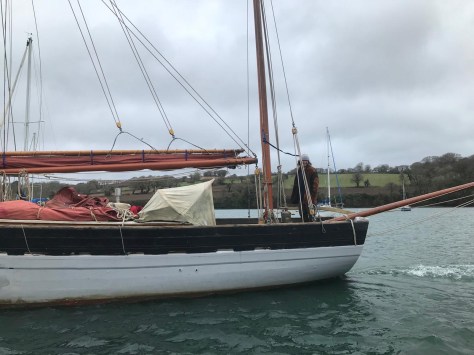
When I first approached Chris on a wet bank holiday in 2022 to build a boat, he said no, he was retiring. However, a few weeks later he came on board Guiding Star in Cawsand Bay to fit her new topsail and we were toasting it in French cider brandy when he suddenly said, ‘Oh! I nearly forgot. I’ve drawn your new boat.’
He unfolded a sheet of A4 paper on which he’d drawn the most beautiful gaff ketch I’d ever seen.
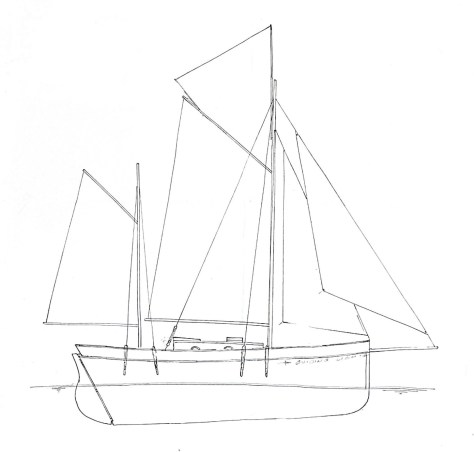
She was on the lines of a Mevagissey lugger with a plumb stem, long keel and steeply raked transom but three quarters the size, 30 feet rather than 40, and rigged as a gaff ketch rather than a lugger to make her easy to handle.
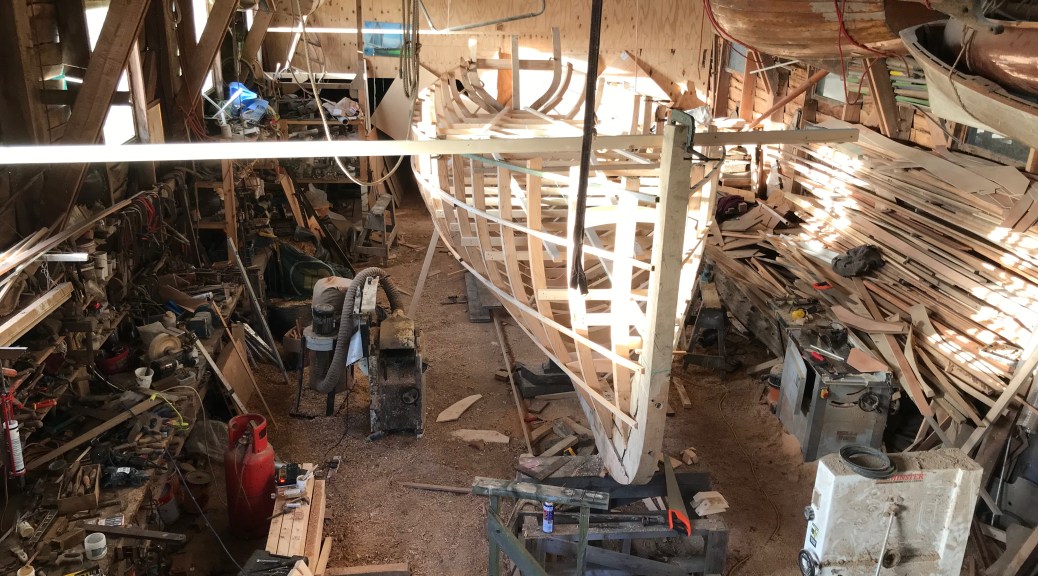
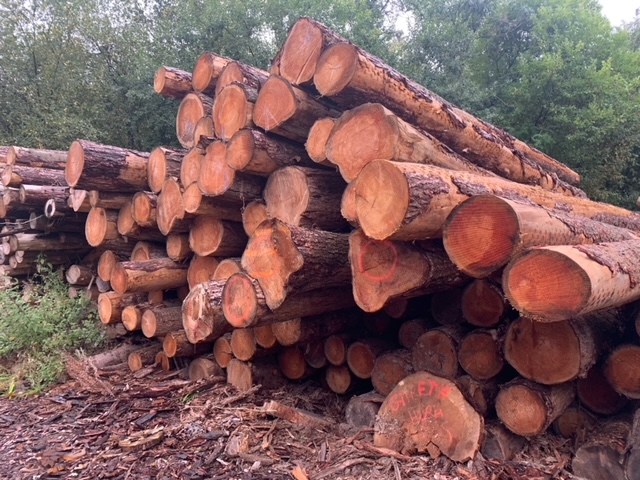
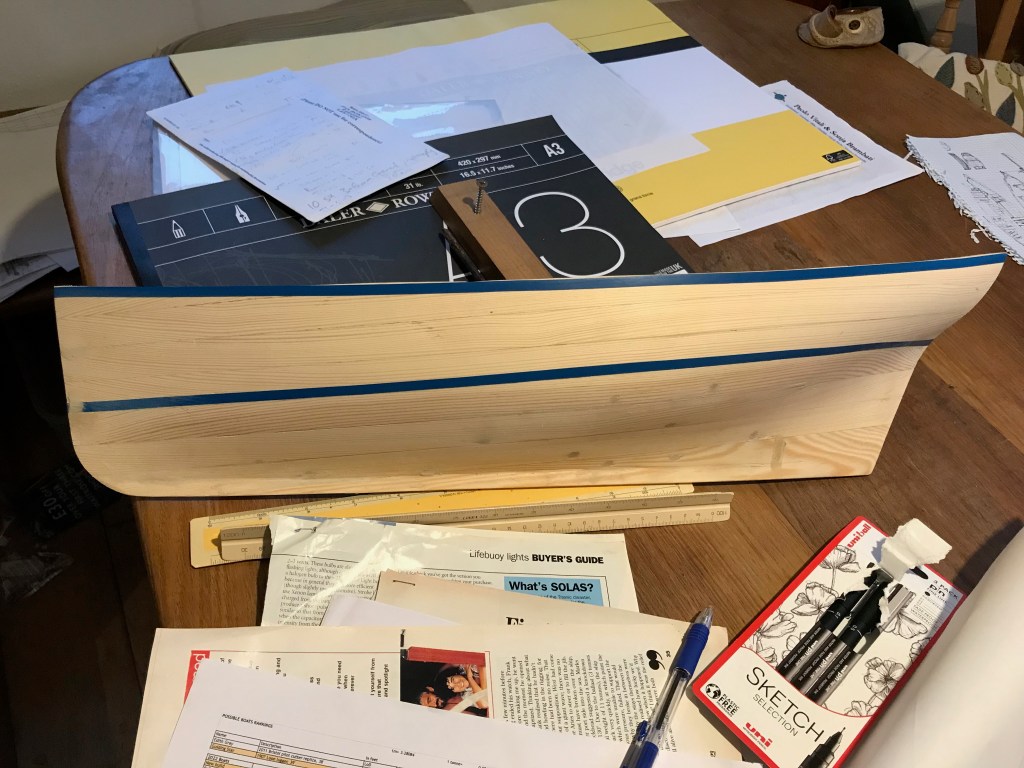
Chris doesn’t hang around. Once we’d agreed terms in June, he bought a stack of fine larch logs grown on the cool, damp edge of Dartmoor so they could dry before he needed them for the boat’s hull and coachroof; and he planked some oak from his logpile to make the frames and keel. He carved a half model of the hull to turn the initial sketch into three dimensions and the next I heard, he was assembling the frames. By December 2022, the boat looked like a boat.
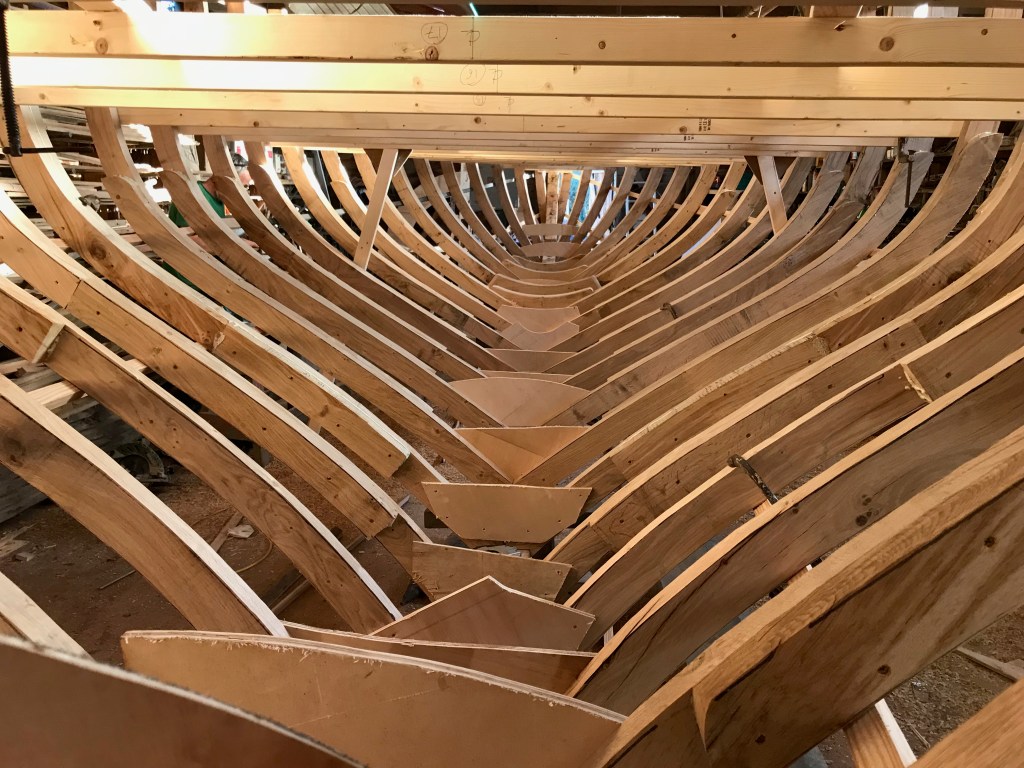
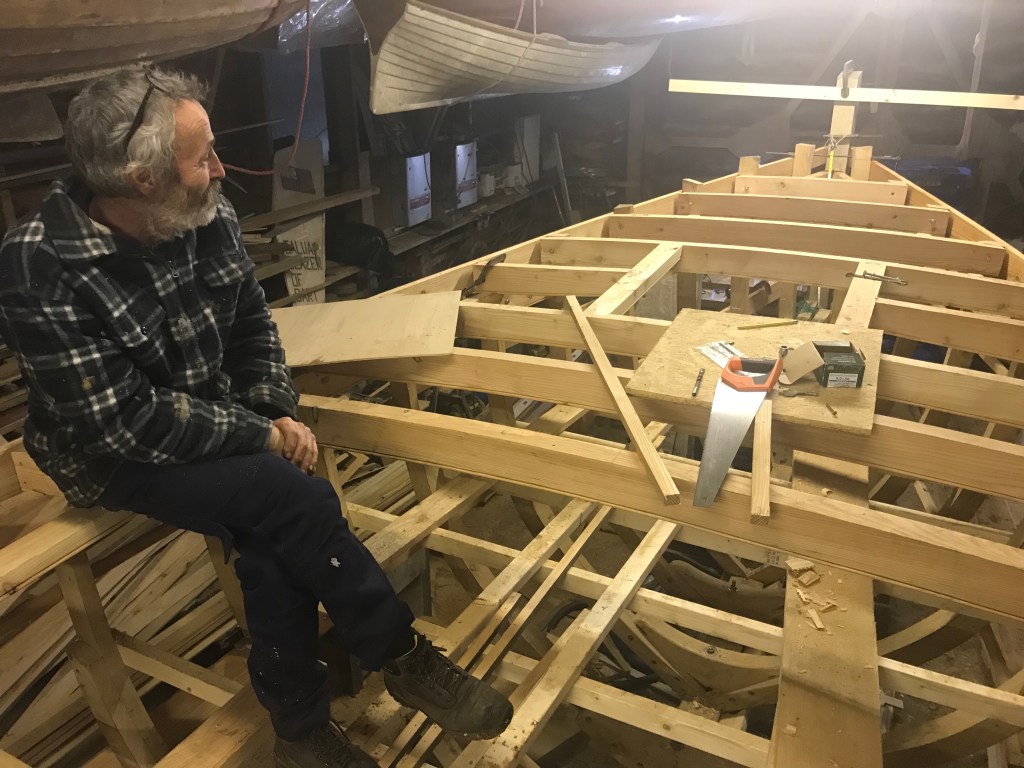
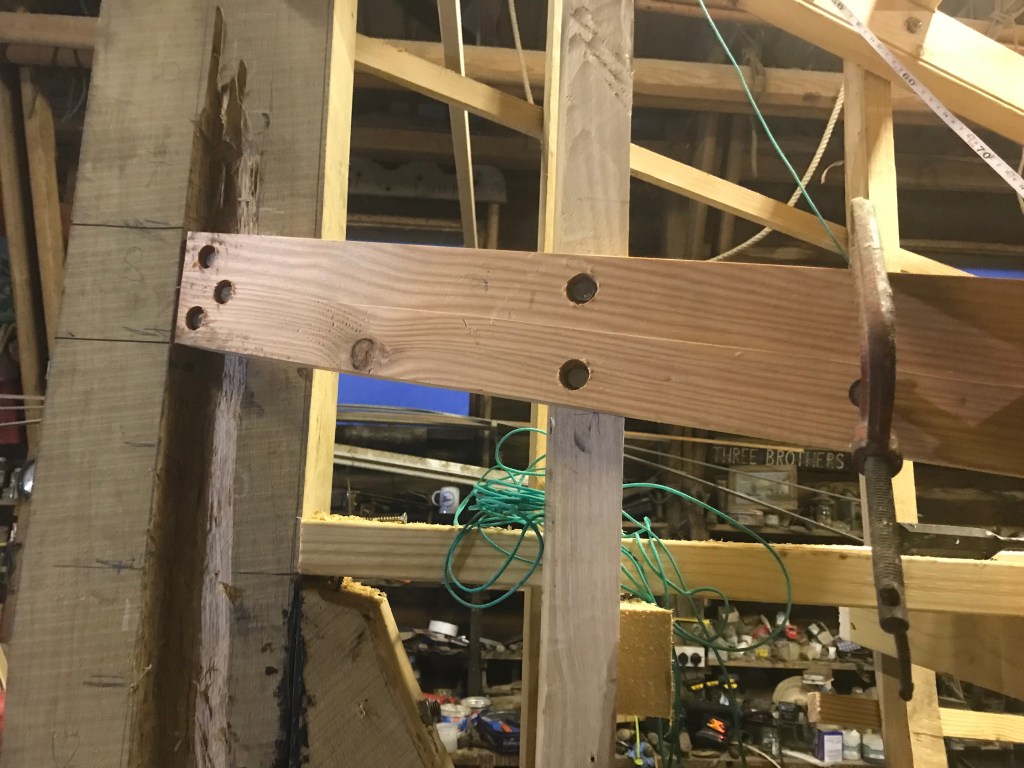
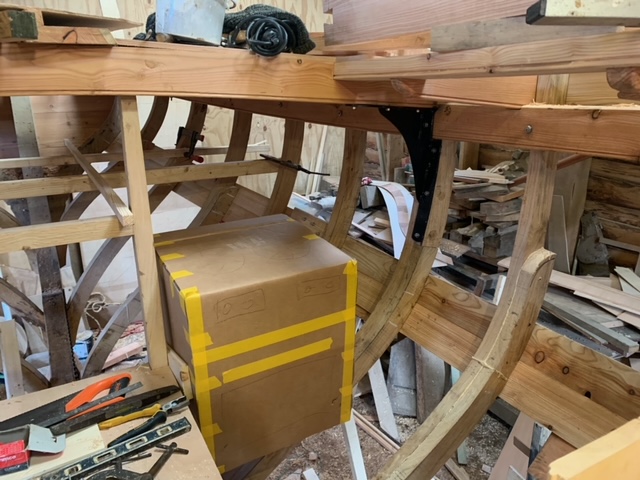
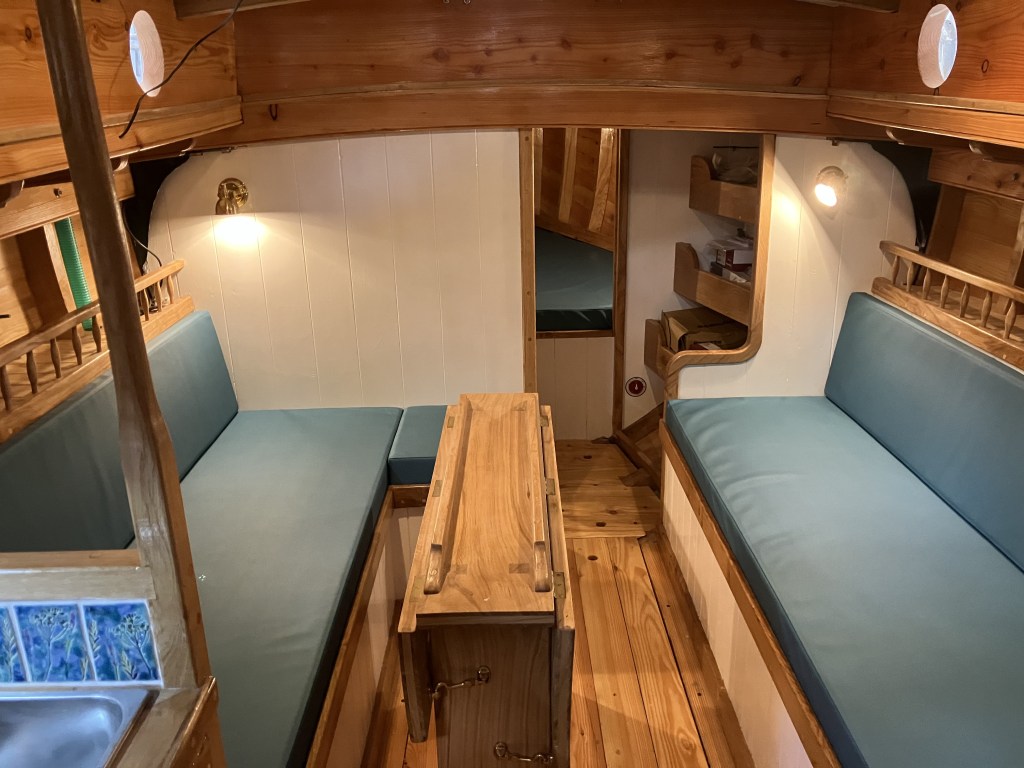
The next year, 2023, Chris completed the hull, deck and interior and built an 8-foot clinker dinghy to fit on the coachroof. I told him I’d had it with inflatable dinghies and outboard motors. My other contribution to the build was to choose an awkwardly large diesel cooker/heater with electric ignition for the galley. Chris built a template out of cardboard so we could work out how on earth to fit it in.
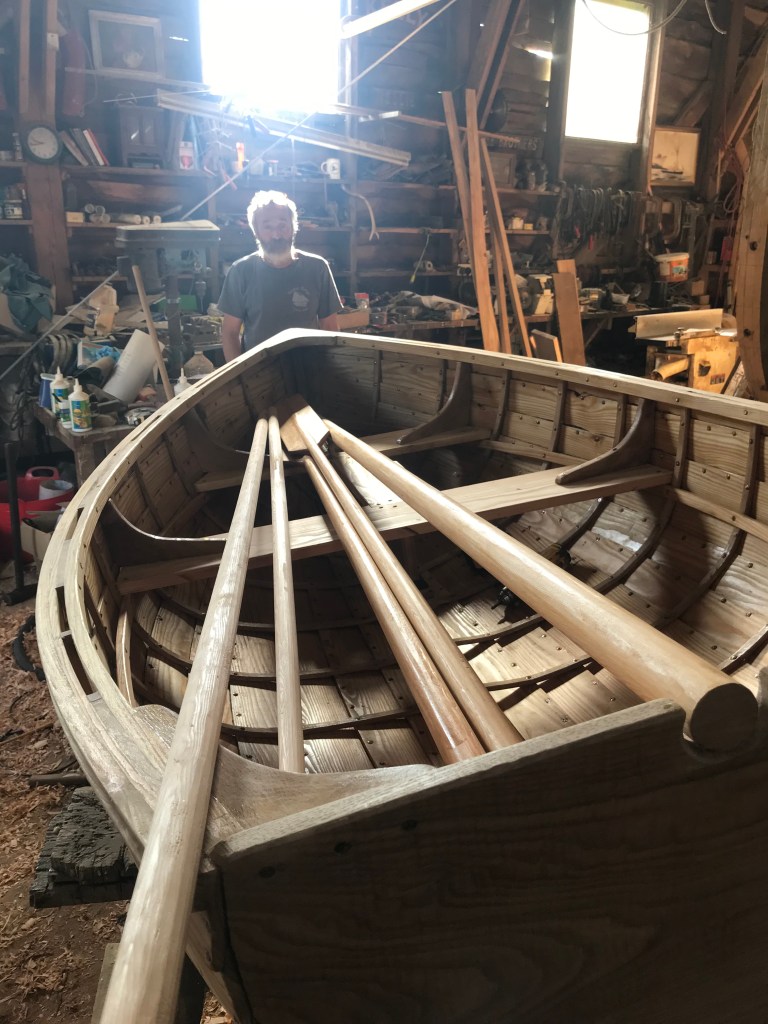
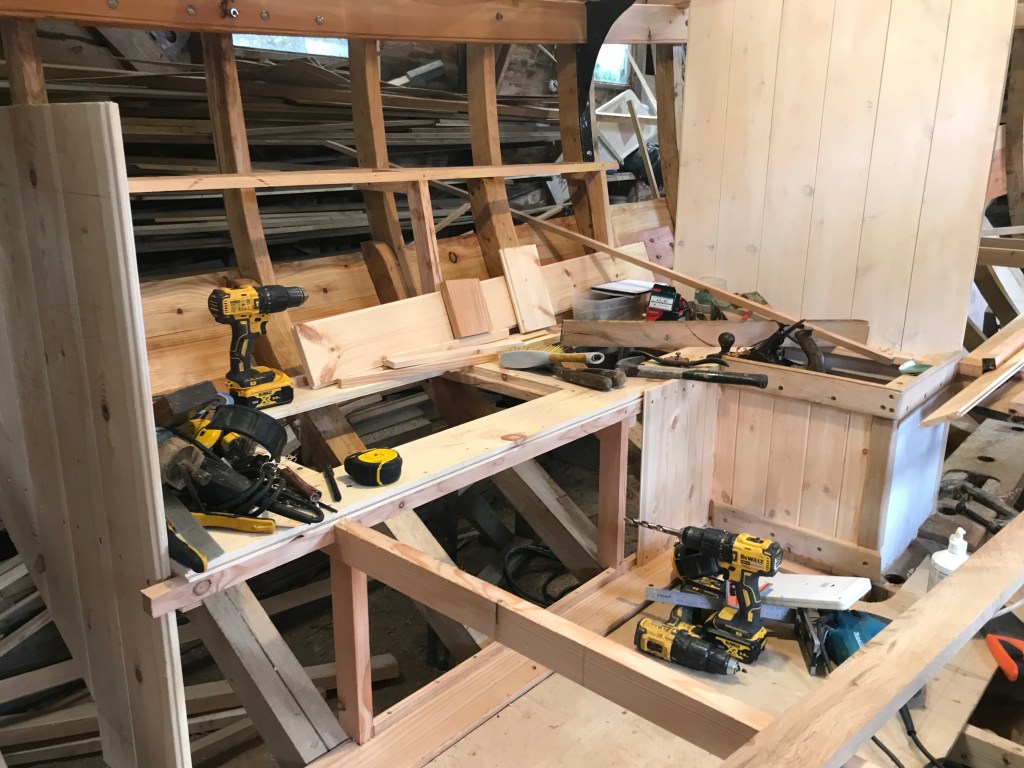
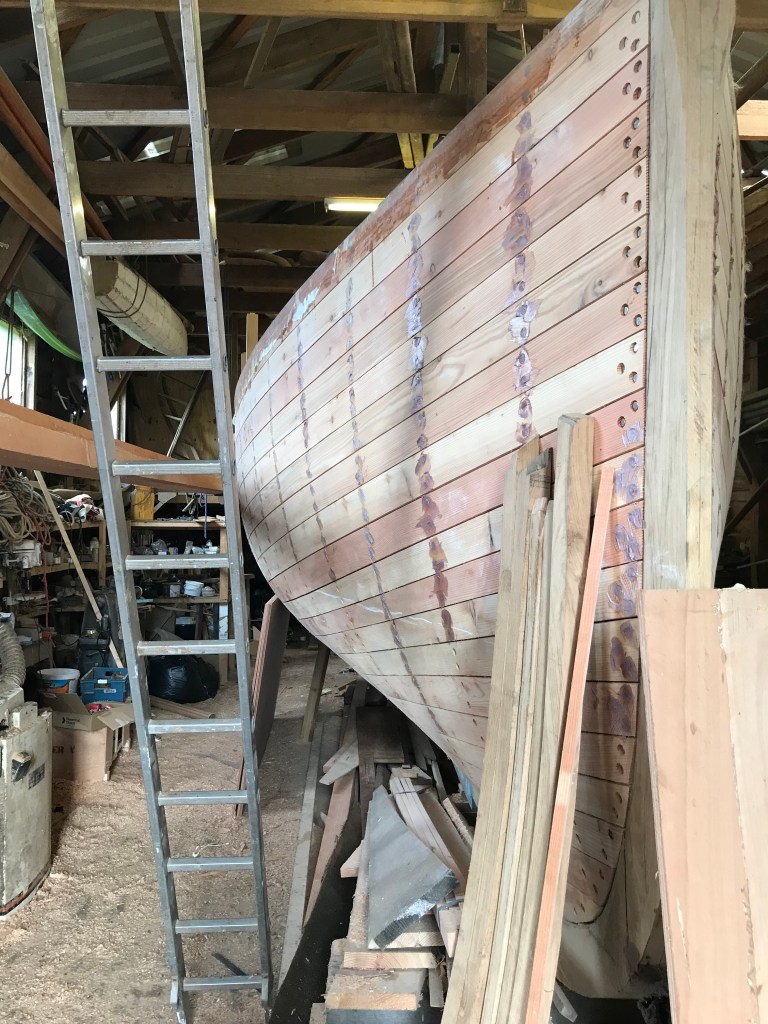
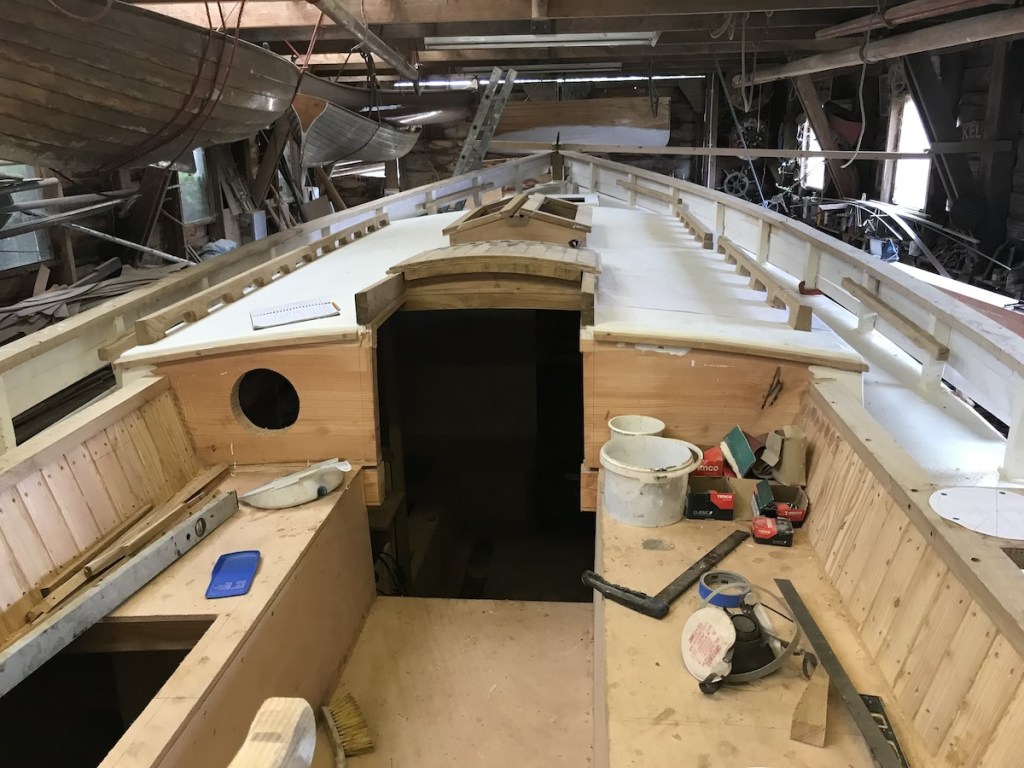
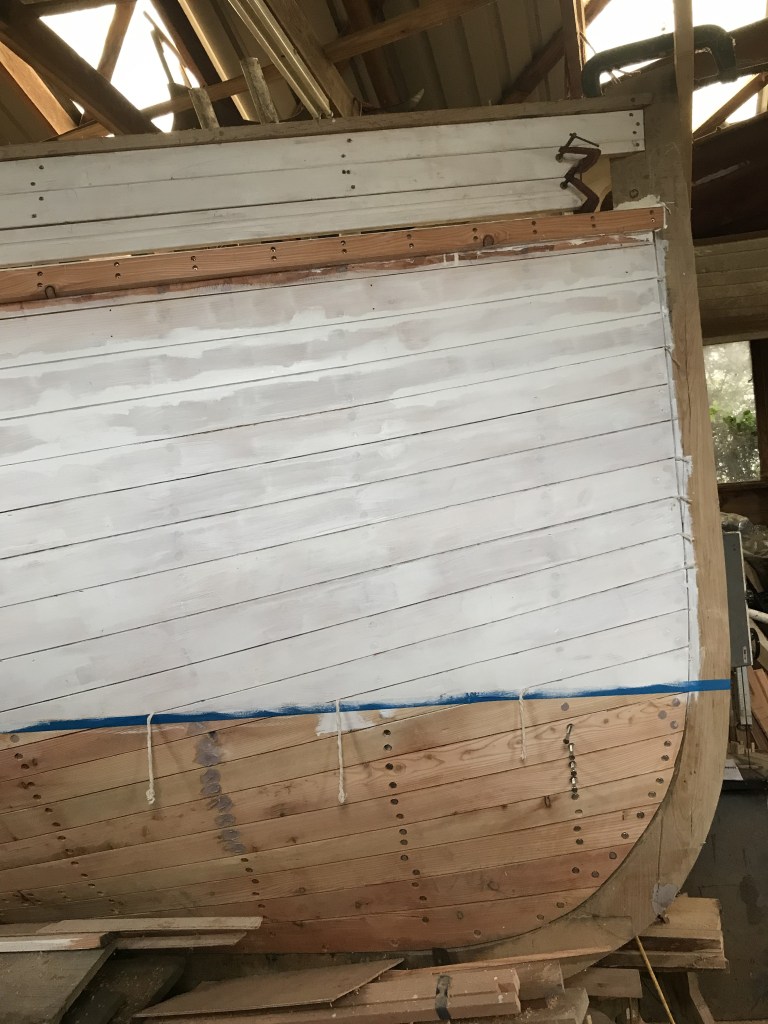
By June 2024, the boat was ready to be hauled out of Chris’s workshop, high on a hill above Millbrook, and trucked down the narrow lanes to the boatyard to be rigged.
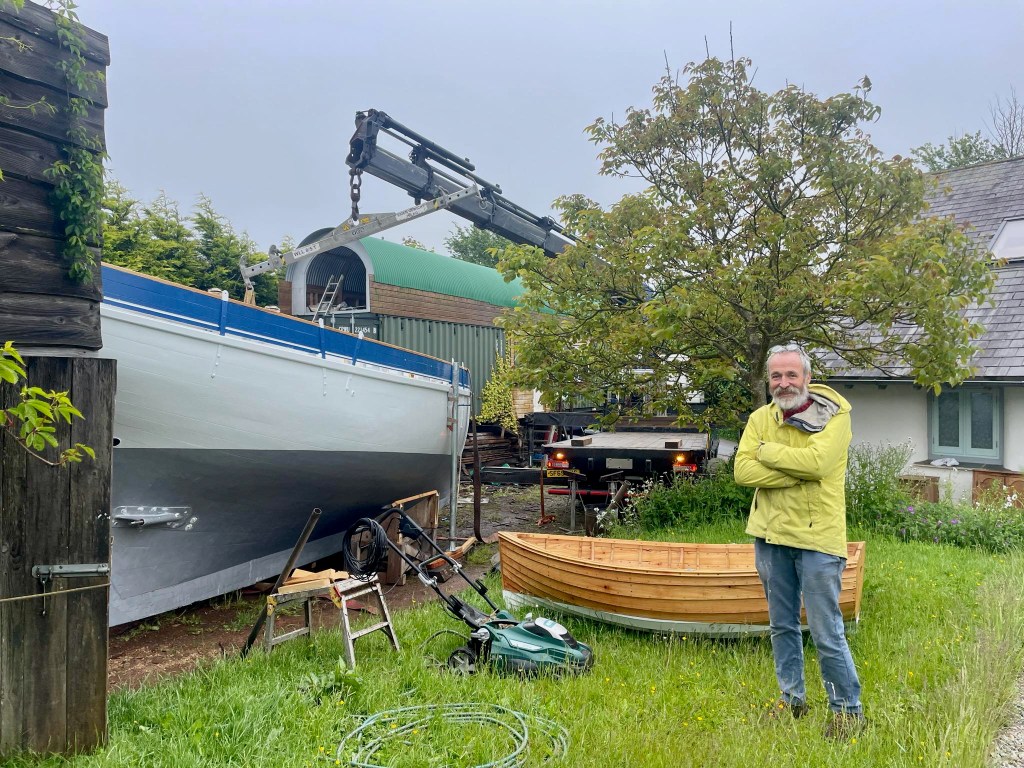
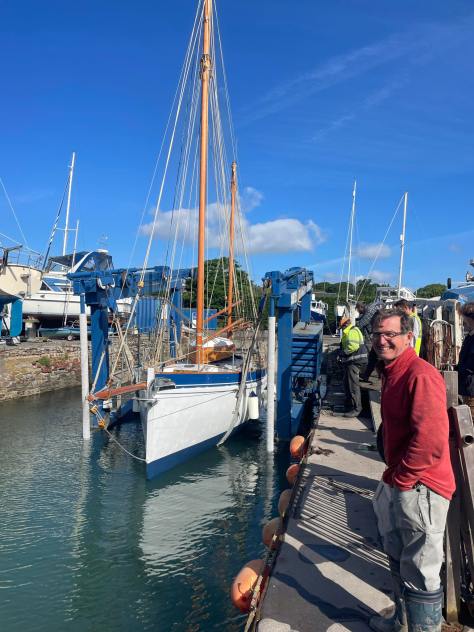
When the hoist lowered the boat into the water for the first time, she settled exactly on her lines and barely needed trimming.
We did have some trouble finding a name. Traditionally, fishing boats and pilot cutters are called after family members (Iris, Eileen, Girl Sybil) or lines from hymns (Guide Me, Kindly Light, Guiding Star). In the end, we found a name on the boat which inspired Chris’s design, a Mevagissey lugger he saw in a field on the Isle of Wight many years ago. She was too far gone to restore but her name will live on because it’s perfect for a boat for later life: Hopeful.